


COLOR /GRADING
Color correction and color grading are essential aspects of film production, shaping a project's visual tone and storytelling. Color correction ensures consistency by balancing exposure, white balance, and contrast, making each shot appear natural and cohesive. Color grading, on the other hand, enhances mood and atmosphere, using color to evoke emotions and strengthen the narrative. These processes are crucial for achieving a polished, cinematic look, ensuring that every frame aligns seamlessly with the director’s vision.
STYLIZING YOUR PROJECT
Color grading is a crucial step in post-production that enhances the visual storytelling of a film. It ensures consistency in tone, mood, and atmosphere while elevating the cinematic experience.

1. Enhances Storytelling
Colors evoke emotions and set the film’s mood, whether it's a warm, nostalgic feel or a cold, tense atmosphere.

2. Creates a Signature Look
Helps filmmakers establish a unique visual style that makes their work stand out.
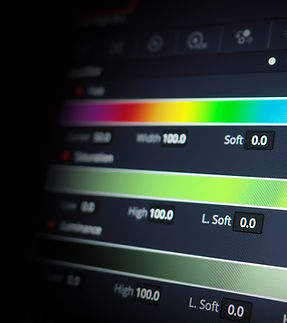
3. Fixes Visual Imperfections
Corrects color imbalances, exposure issues, and enhances details for a polished look.

4. Genre & Theme
Different color palettes complement different genres (e.g., desaturated tones for thrillers, vibrant hues for fantasy).